John Davis's Six-Minute Journey Through Heaven's Orientation Center
A surgical complication gave him a guided tour of the afterlife's infrastructure, where counselors welcome the newly deceased and beloved pets wait in meadows
John Davis was standing in a corridor of polished marble that stretched as far as he could see. Ornate doorways lined the left wall, each one opening onto tunnels filled with stars and galaxies. At tables between the doorways, counselors sat with the newly dead, helping them remember where they really came from. An 80-year-old man stumbled through one doorway, clutching his chest, looking dazed. A woman stood, took his hands, and sat him down. As they talked, the man grew younger, his confusion melting away until he looked about 30. Then he walked down three marble steps into a garden where dozens of people waited to welcome him home. John watched all of this with a guide standing beside him, explaining everything. Six minutes earlier, his heart had stopped on an operating table.

The Squirrel in the Road
John Davis wasn't thinking about mortality when he crashed his parents' moped into a tree. He was thinking about a squirrel. He was riding at his parents' house when he turned a corner and saw the animal sitting in the middle of the road. To avoid hitting it, he swerved hard right and hit a tree in such a way that the tendons on his right hand tore completely away from the bone.
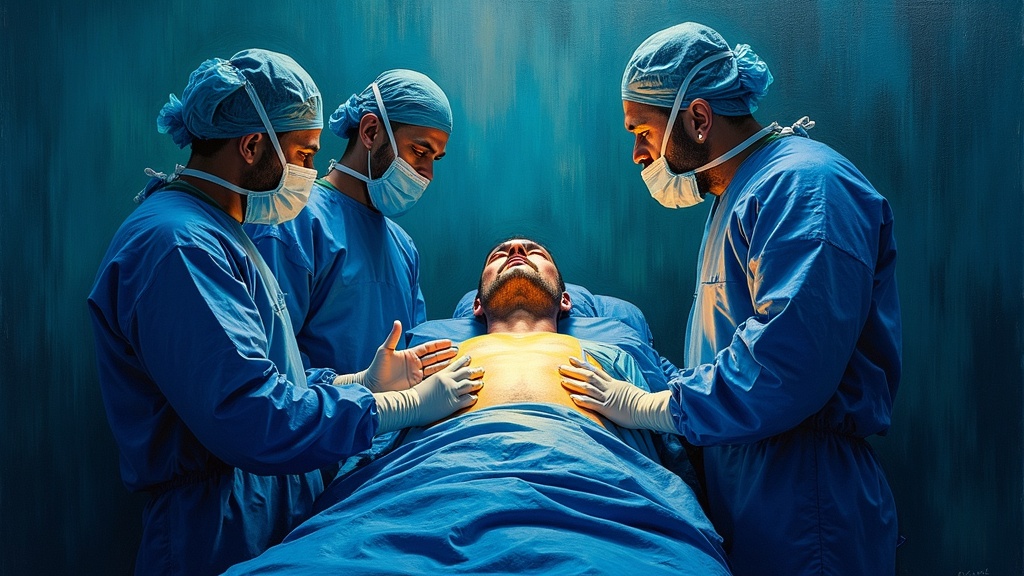
The injury required surgery. John had never been under anesthesia before. As the medical team started the IV, he could feel the medication traveling through his body in a distinct path: up through his arms, into his shoulders, down through his neck, then his chest. The very second the anesthesia reached his heart, his heart stopped. He closed his eyes and died.
What happened next would compress what felt like a two-hour guided tour into six minutes of clinical death.
The Marble Corridor
The very second John shut his eyes and died, he opened them again and found himself standing in the most beautiful, perfect marble building he could ever imagine. The corridor stretched endlessly in both directions. On the left side were ornate doorways, tunnels that looked like they'd been carved directly out of the marble itself. To the right of each doorway, about four feet away, stood tables with four benches arranged around them.
John wasn't alone. Someone stood next to him, speaking into his left ear. Throughout his whole near-death experience, it was a guy standing next to him, telling him what he was seeing and what he was looking at. John never saw this guide's face. He never turned to look. He was too absorbed in what lay before him.
The guide told him this was an orientation center. At the time, John didn't connect this information to his surgery or his allergic reaction. He didn't think anything about the fact that he had died. That didn't even occur to him. He was totally, simply engrossed in what he was seeing.
People sat at the tables, two at each one, as far down the corridor as John could see.
Tunnels Full of Stars
The guide directed John to walk over and look inside the first tunnel. Inside the tunnel, John could see stars and planets and galaxies. It was absolutely a magical experience. The guide explained: This is a tunnel that people come through when they die.
Then the guide told John to look up to the next doorway. A man was coming through. He had his right arm on his left chest, and the guide said he had died from having a heart attack. The man looked dazed, very confused about what was happening.
The woman sitting in front of his doorway stood up. She walked over, took his hands in hers, and led him to sit across from her at the table. John was too far away to hear what she was saying, but he could see the conversation's effect. The man's appearance began to change. He was an 80-year-old man when he came through the doorway, but as he was talking to this counselor, he became younger and younger until he was probably in his late 20s or early 30s.
The guide explained the counselor's role. Her job as an orientator was to help people remember that they have just finished a lifetime and that they're home now, and whether you want to call it heaven or you want to call it the other side, that's our true home.
The Garden of Reunion
When the counselor finished, the man stood up, walked to the right of the table, and descended three marble steps to a garden below. John struggled to describe what he saw there. People have described gardens on the other side that they're absolutely beautiful, but they are so hard to describe how beautiful they really are. The gardens felt almost alive.
As the man walked down those three steps and into the garden, there were people there, a lot of people, and they were there to greet him from coming back from his life. They hugged him, kissed him, welcomed him home, telling him what a great job he did, that he was back home again.
The guide explained that not everyone needs this orientation process. Sometimes people don't need the orientation because they are much closer to the other side than others, especially kids. When kids cross over, they don't need to have an orientation because they just came from there. The orientation is for people who lived long lives and forgot where they really came from.
John looked down the endless corridor. People were coming through the corridors, through these tunnels. It was very busy. People were crossing over all the time, and these counselors would get up and help them and bring them back to these tables and help get them orientated.
The Building Where Lives Are Planned
The guide took John to another building. It was a Greco-Roman building with white columns, beautiful white Grecian Roman columns out front, and they were formed in a circle with a dome on top. When they walked inside, the guide made a startling announcement: This is where we plan our lifetimes. All of our lives go through a planning process, and we plan them with our main guides before we come into life, so that life isn't just a random accident. There's purpose. There's reason.
Inside, John saw a table. On it lay two scrolls, one with a blue ribbon, the other with a red ribbon. The guide explained: These are your scrolls that you write the major points of your lifetime on. Everybody writes down where they're going to live, what their parents are going to be like, are they going to go to school, are they going to go to college, what's their career going to be, are they going to have a lot of money, are they going to have a little bit of money. All of that is prepared ahead of time on these scrolls.
John picked up the blue scroll and opened it on the table. When he tried to read it, all of a sudden the scroll folded back up again. The guide told him he wasn't allowed to read it until he finished this lifetime. But the guide was trying to show him something important: Our lives aren't an accident. Everything is actually planned out for a reason. We forget it because if we knew what we were supposed to do, we wouldn't be testing ourselves.
For those interested in John's description of other locations he visited, including a library and a place where he reviewed past lives, he discusses these in greater detail in his full unedited interview.
The Meadow Where Animals Wait
Next, the guide brought John to a meadow with beautiful, flowing hills. All of a sudden, John saw animals come jumping down that hill. The guide explained: Every one of these animals that you've ever loved or that anybody has ever loved is on the other side.
As John stood there, he could see two of his dogs and two of his cats running down the hill. The guide told him that all the animals play together until their loved ones from Earth cross over to the other side and come back and get them.
The Message
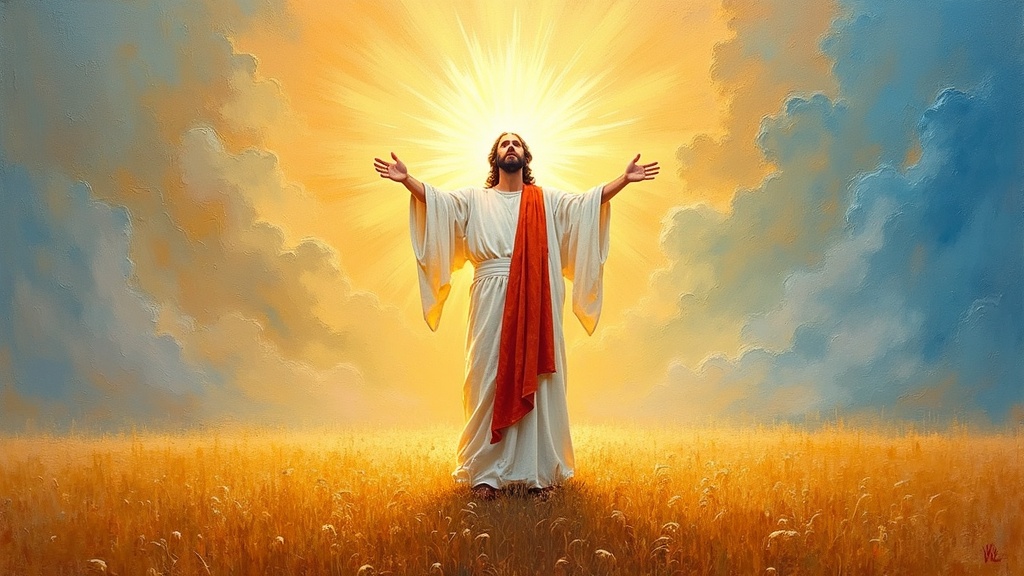
The guide took John to one final location: an open field. As John was standing there, another gentleman walked up. He was about two feet from John, and he was so bright that John couldn't see his face. All he could see was that he was wearing a white robe with a red sash around the waist.
The figure lifted up his hands and said, "You must tell them there is no death."
The very second those words were spoken, John woke up.
Six Minutes
John opened his eyes to find doctors looking down at him. "He's back, he's back," one of them said. John had been physically dead for six minutes.
What puzzled him most was the time discrepancy. It felt like what the guide took him on was a two-hour journey of the other side. How could he possibly have showed him all of those things in six minutes?
The experience changed everything for John. It's so much a piece of his life now that he shares with almost anybody who wants to hear about it, because that's what the figure told him.
He has since shared his story widely, including discussions about the origins of consciousness and reincarnation, planets more suitable for life than Earth, and shocking truths about our planet's purpose. He has also explored the power of thoughts and how to manifest happiness based on what he learned during his time on the other side.
What This Experience Reveals
John's account stands out for its specificity about the infrastructure of the afterlife. While many near-death experiencers describe gardens, light, and reunions with loved ones, few provide such detailed descriptions of the orientation process itself. The counselors, the tables, the systematic welcome of the newly deceased (these details suggest an organized, purposeful transition rather than a chaotic or random one).
The detail about age regression during orientation appears in many NDE accounts. People consistently report that those who died elderly appear in their prime on the other side, usually in their late 20s or early 30s. This isn't vanity. It seems to represent the soul's optimal expression, freed from the deterioration of physical aging.
What John saw aligns with one of the most hopeful patterns in NDE research: the presence of beloved animals. Thousands of experiencers report encounters with pets who've died. These aren't symbolic visions or wishful projections. The animals are described as fully present, joyful, and waiting. John's description of them playing together in meadows until their people arrive captures something essential about the continuity of love across the boundary we call death.
The scrolls containing life plans touch on another common NDE theme: the pre-birth planning of our lives. Many experiencers report learning that they chose their circumstances, their challenges, even their suffering, for reasons connected to spiritual growth. This isn't fatalism. It's the opposite. It suggests we aren't victims of random circumstance but active participants in a curriculum we designed.
The figure in white who delivered the final message, "You must tell them there is no death," appears in various forms across NDE accounts. Sometimes this being is identified as Jesus, sometimes as an angel or guide, sometimes simply as a presence of overwhelming love and authority. What matters is the consistency of the message: death is not an ending. It's a homecoming.
John's experience offers something rare: a detailed map of what happens in the first moments after we die. Not a vague description of light and peace, but a specific, systematic process of welcome, reorientation, and reunion. If his account is accurate (and thousands of similar testimonies suggest it is), then death isn't something to fear. It's the moment we remember who we really are, where we really came from, and why we came here in the first place.
The orientation center John describes isn't a way station. It's a threshold. On one side: the confusion and limitation of physical life. On the other: the clarity and love of home. And between them, counselors who help us remember. Gardens where those who love us wait. Meadows where even our beloved animals play until we arrive.
I don't know what to make of the time compression John experienced. Six minutes of clinical death containing what felt like two hours of experience. Time in NDEs doesn't behave the way it does here. Some experiencers report reviewing their entire lives in what felt like an instant. Others describe spending what felt like years in a place of learning, only to return and find that seconds had passed. The physics of it escapes me. But the consistency of the reports doesn't.
John came back to tell us there's no death. That's what awaits all of us when our own time comes to walk down those three marble steps into the garden where everyone we've ever loved is waiting to welcome us home.
Was this article helpful?